
Strategic choices are made that will have an impact for years to come. At the same time, the environment is constantly changing. Continuous strategic work responds to this challenge by improving the quality and timing of decision-making. It avoids the need to update the strategy when it is needed, and allows for a controlled refinement of the direction when there are still options.
In continuous strategy work, the strategy lives proactively. Its underlying assumptions, direction and performance are regularly reviewed to enable the organisation to make better choices at the right time, even in the face of uncertainty.
Each strategy is based on assumptions about how the world, markets and customer needs will evolve. But the world does not stand still waiting for the next strategy update. Often, developments take place in small, interlinked changes, not in one big upheaval. If a strategy is updated only at the turn of a strategy period, a disconnect is created: the environment changes, the assumptions are eroded and the strategy becomes obsolete long before the strategy period changes.
For continuous strategy work, it is important to make the strategic assumptions related to both the external environment and internal operations visible and actionable. Often, these assumptions remain implicit, anchoring the strategy in the present without realising it.
Forward-looking analysis helps to ask questions:
This reduces the risk of building a strategy on too narrow a vision of the future and makes the direction more sustainable.
Ongoing strategic work relies on proactive monitoring of the operating environment. The aim is not to monitor everything, but to identify the changes and indicators that are relevant to you and that affect the effectiveness of your strategy.
In practice, this means:
This will keep your strategy up to date even when the world surprises you.
But continuous strategic work is not just about the external environment. Equally important are the changes that take place within the organisation.
The strategy also lives in the relationship:
If strategy were viewed only in terms of external changes, a gap would easily emerge between direction and action. Ongoing strategic work will also help to make the necessary adjustments to internal priorities.
Strategy lives where decisions are actually made.
Continuous strategic work does not mean constant change of direction. On the contrary: it reinforces the core of the strategy. By regularly reviewing changes and assumptions, small adjustments can be made in time before major changes force a reaction.
This is how strategy work is changing: from reactive to proactive, from one-off, process to continuous thinking, a document to support decision-making
Contact us - let's build you an ongoing strategy process that can withstand change and support better choices.

It creates a competitive advantage, unifies decision-making, engages staff in a common purpose, and helps allocate resources.
The strategy answers questions about why the organisation exists, what it does (and doesn't do), and how it does things. The strategy work and process ensures that the organisation has a common direction.
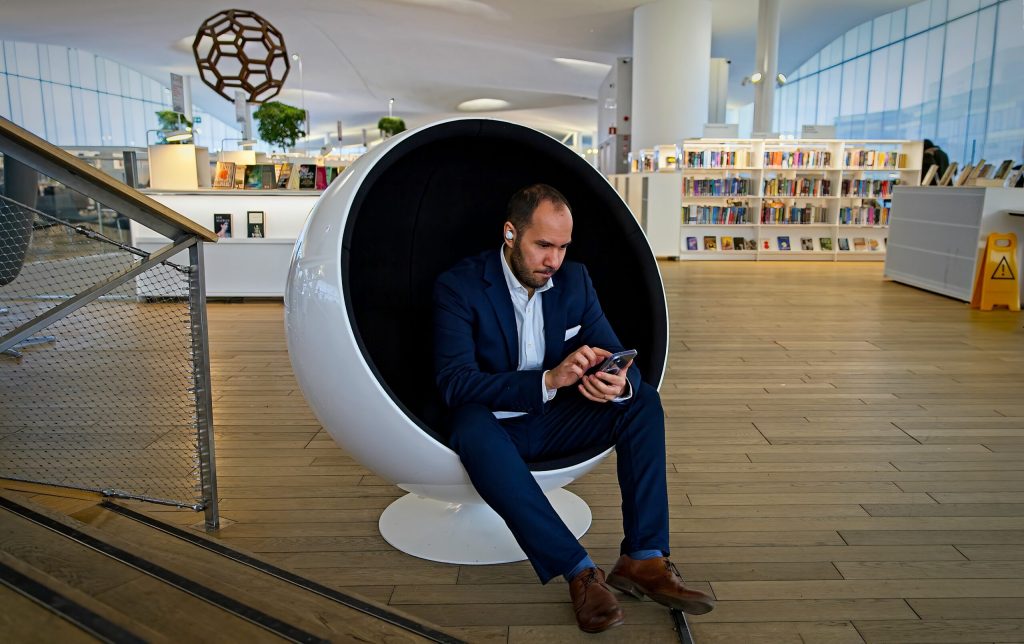
Even the best strategy is no good in a desk drawer. The value of a strategy comes when it is translated into action in people's everyday lives.
Käytämme evästeitä sivuston käyttökokemuksen parantamiseksi. Tietoja tietojesi käytöstä löydät tietosuojaselosteestamme.
Toiminnallisia evästeitä käytetään sivuston toimintojen toimivuuden varmistamiseksi, sekä käyttökokemuksen kehittämiseksi.
Keräämme tilastotietoja sivuston käytöstä sivuston kehittämistä varten. Tietoihin kuuluvat mm. kävijämäärät ja vierailun kesto. Yksittäisiä käyttäjiä ei voida tunnistaa evästeiden perusteella.
Markkinointievästeet mahdollistavat mainosten näyttämisen muilla verkkosivuilla sivustovierailujesi perusteella.